
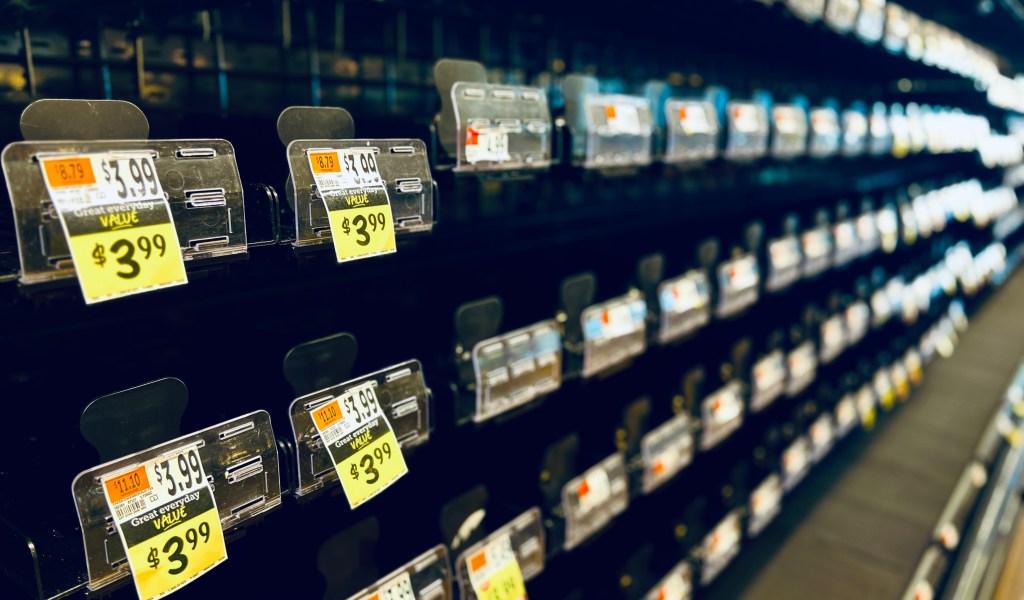
You have never seen a supermarket so empty.
In the wake of a major storm—the biggest blizzard ever recorded in Rhode Island—you assume these empty shelves resulted from panicked shoppers. You couldn’t even visit here, a couple of days ago, because every parking space in the entire lot was taken. You picture hordes of wild-eyed customers racing through the aisles, dumping armloads of groceries into their carts. You flash back to COVID, and you’re glad the storm itself is over.
But when you reach for a box of Moose Tracks—one of the last items in this particular freezer—a clerk intervenes.
“That ice cream’s no good,” he explains. “Store lost power. Had to toss a bunch of stuff. Sorry about that.”
You reel from it all. A whole produce section, poured into a dumpster. Cuts of meat and blocks of cheese, cups of yoghurt and tubs of sour cream, all dispatched to the landfill. You recall the book Frostbite: How Refrigeration Changed Our Food, Our Planet, and Ourselves, by Nicola Twilley. Even in winter, when subfreezing temperatures slog on for weeks, we trust only appliances to preserve our food. Without that electrical current, the perishables simply perish.
You mention this to the cashier. You can’t help but marvel aloud, about how much volume has now vanished. Uneaten. Un-composted. Cubic tons of food, gone.
The cashier shakes her head. “It’s the law,” she says. Then adds: “What a waste, though, right?”
 You Are Here